Witsell

Monday Market Insights: Professional Property Trends in Witham
Market briefing, Monday 21 September 2026
The Witham property market is operating in a price-sensitive but active environment. Buyers remain selective, landlords face higher compliance expectations, and rental demand continues to support income-producing property.
This briefing combines the latest UK House Price Index, Rightmove asking-price data, ONS rental statistics, Bank of England policy and local Witham market indicators. It is intended for sellers, buyers, landlords, investors and probate professionals dealing with residential property in Essex.
UK property market: the latest headline data
The official UK House Price Index for July 2026 was published on 16 September 2026. It shows a market that is broadly stable, although annual growth is slowing.
Key figures include:
- The UK average property price is £273,000.
- Annual UK house price growth is 1.4%, down from 1.5% in June.
- Prices rise by 0.7% month on month.
- England’s average property price is £293,000, with annual growth of 1.1%.
- The East of England average is £338,000, increasing by 0.5% annually and 0.5% monthly.
- The South East average is £381,000, with annual growth of only 0.2%.
- London prices fall by 3.3% annually, marking the eleventh consecutive annual decline.
- The North East records the strongest annual growth at 4.9%.
The English property-type data also show a clear affordability divide:
- Detached homes: £475,000, up 1.4% annually.
- Semi-detached homes: £292,000, up 2.7%.
- Terraced homes: £247,000, up 2.3%.
- Flats and maisonettes: £217,000, down 3.5%.
Transaction volumes remain subdued. Approximately 97,000 UK transactions take place in July 2026, down 1.1% year on year and 1.7% compared with June. The next UK HPI release is due on 21 October 2026.
The latest Rightmove House Price Index provides a more current view of seller behaviour. On 21 September, the average new seller asking price rises by 0.7%, or £2,441, to £367,440. This is the first monthly increase since May and is above the ten-year September average of 0.5%.
However, asking prices remain 0.8% below the same point last year, while the stock of homes available for sale is at a 12-year high for this time of year. Sellers therefore face more competition, even where headline asking prices are beginning to recover.
Witham sales market: value, pricing and selling times
Witham benefits from its position on the A12 corridor between Chelmsford and Colchester, with rail connections providing access to London Liverpool Street in approximately 45 minutes. That location continues to support demand from commuters, local households and buyers seeking comparatively accessible pricing within the wider Essex and South East market.
Local average sale-price estimates vary according to the source, property mix and whether the data measures achieved prices or current listings. Current Witham indicators broadly place average values between £330,000 and £356,000.
The practical market measures are more consistent:
- Typical time to sell is approximately 11 weeks.
- The average seller reduction is around 2%.
- Buyers continue to negotiate where properties are initially priced above recent achieved comparables.
- Stock levels give purchasers more choice and reduce the need to make immediate decisions.
This is not a market where an ambitious asking price can be corrected indefinitely without affecting the property’s marketing position. A listing that remains available while competing homes are reduced can become less attractive to buyers, even if the property itself is suitable.
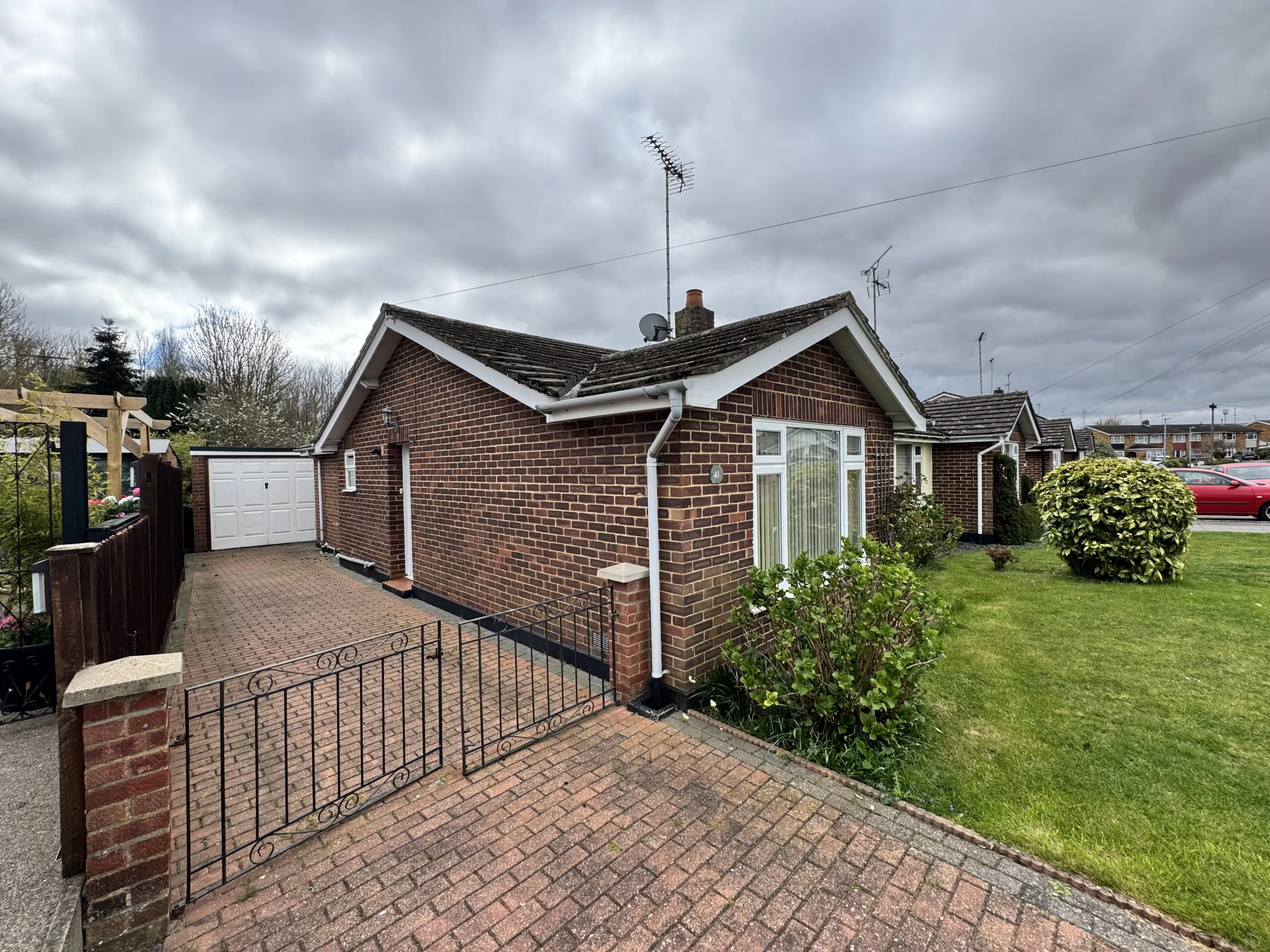
For sellers, the correct approach is to price against recent comparable sales, condition, plot, energy performance, parking and transport access. The highest valuation is not necessarily the most useful valuation if it prevents the property from generating viewings and offers.
Current properties for sale through WitLet illustrate the range of residential stock being marketed across the wider area. A local appraisal should distinguish between asking prices, agreed prices and completed transactions.
Witham lettings: rents continue to support income
The ONS Index of Private Housing Rental Prices for August 2026 reports continued annual rental growth:
- UK average private rent: £1,400 per month, up 3.8% annually.
- England average private rent: £1,459, up 4.0%.
- East of England average rent: £1,289.
- East of England rent inflation: approximately 3.2% to 3.4%.
- South East rent inflation: 3.0%, the lowest of the English regions.
- London average rent: £2,332.
- UK average rent for detached homes: £1,589.
- UK average rent for flats and maisonettes: £1,367.
The UK annual rental increase of 3.8% is the highest since December 2025. This reflects continuing demand for suitable rental homes, although affordability limits how far rents can rise in individual locations.
In Witham, the average achieved rent is approximately £1,115 per calendar month, up around 6% annually. Indicative local figures are:
- Flats: approximately £923 per month.
- Houses: approximately £1,280 per month.
- Gross rental yields: approximately 3.8% to 3.9% before costs.
These are market indicators rather than a valuation for an individual property. Rent depends on size, condition, furnishing, parking, outdoor space, EPC rating, location and presentation.
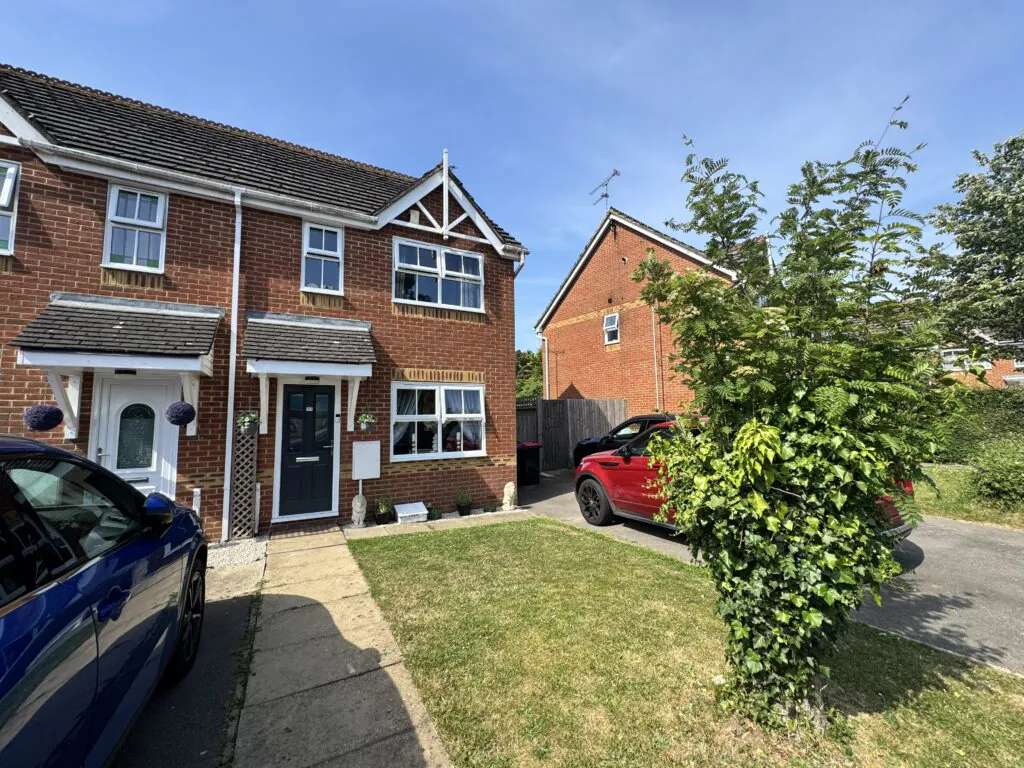
For context, WitLet listings include a semi-detached property in Upper Acres marketed at £1,350 per month and an apartment at Crittall Court marketed at £1,000 per month. These asking rents demonstrate why property-specific advice is important when assessing rental income.

Landlords should assess rent against achievable tenant demand, not only against the highest advertised figure. A void period, re-letting costs or repeated price reductions can materially affect annual net income.
What the Bank of England hold means for property decisions
On 17 September 2026, the Bank of England’s Monetary Policy Committee votes by 6–3 to hold Bank Rate at 3.75%. Three members vote for an increase to 4.00%.
The MPC identifies upside inflation risks linked to energy-price volatility and the continuing conflict in the Middle East. Financial markets broadly expect Bank Rate to remain unchanged through the end of the year, although mortgage rates remain around 4.8% and can vary substantially by product, loan-to-value ratio and borrower circumstances.
For buyers, the hold provides short-term certainty but does not remove affordability pressure. Mortgage costs remain materially higher than during the period of very low interest rates. Buyers should test affordability against potential rate changes and account for service charges, maintenance, insurance and taxation.
For landlords, borrowing costs continue to affect net yield. A property producing a gross yield of 3.8% to 3.9% may provide limited margin after mortgage interest, compliance, repairs, management fees, voids and tax. Cash-flow modelling should therefore use realistic operating costs rather than gross rent alone.
Renters’ Rights Act 2025: preparing for phase 2
Phase 1 of the Renters’ Rights Act 2025 is in force in England from 1 May 2026. The changes include:
- Assured periodic tenancies replacing fixed-term arrangements.
- Abolition of Section 21 notices.
- Rent increases under Section 13 limited to once per year.
- A ban on rental bidding above the advertised rent.
- New requirements relating to pets and tenancy administration.
You have a legal responsibility to ensure your tenancy documents, advertising, rent-review processes and possession procedures reflect the law currently in force. The Act changes how landlords recover possession and how rent increases are administered.
Phase 2 is expected from late 2026. It includes the phased introduction of the Private Rented Sector Database, with registration rolled out by area, and a free Landlord Ombudsman. Full implementation is not expected until around 2028.
Landlords should begin preparing now by:
- Reviewing property and landlord information held on file.
- Checking compliance records, including gas safety, electrical safety, EPC and licensing requirements.
- Auditing tenancy agreements and rent-increase procedures.
- Maintaining accurate repair, inspection and communication records.
- Monitoring the registration timetable for the relevant area.
- Reviewing the WitLet legal update for Essex landlords.
Action checklist by audience
Sellers
- Obtain a current appraisal based on achieved local comparables.
- Set an asking price that reflects current buyer affordability.
- Complete essential repairs and improve presentation before launch.
- Prepare documentation that may be required during conveyancing.
- Review the marketing strategy if there are no meaningful enquiries after the initial launch period.
Buyers
- Secure a mortgage agreement in principle before making offers.
- Assess the full monthly cost of ownership, not just the mortgage payment.
- Use higher stock levels to compare properties and negotiate rationally.
- Check EPC ratings, service charges, lease terms and likely maintenance costs.
- Avoid basing decisions solely on national price headlines.
Landlords and investors
- Recalculate net yield using actual operating costs and current finance rates.
- Review rents against achieved local evidence.
- Ensure advertisements comply with the rent-bidding ban.
- Update tenancy and possession procedures following the Renters’ Rights Act.
- Prepare documentation for the PRS Database and Landlord Ombudsman requirements.
- Consider whether professional management is appropriate for compliance, maintenance and tenant communication.
Probate professionals
- Obtain an independent market appraisal based on current Witham evidence.
- Clarify whether the property is vacant, tenanted or subject to a periodic tenancy.
- Check the tenancy position before advising executors on sale or retention.
- Consider condition, clearance, repairs and possession timescales when assessing value.
- Use a documented pricing strategy suitable for the estate’s reporting and sale requirements.
Conclusion
The September 2026 market is defined by moderate capital growth, high available stock, firm but measured rental growth and continuing borrowing-cost pressure. Witham remains supported by its transport links, local services and relative position within the Essex and South East markets, but price accuracy is essential.
Whether you are selling, buying, managing a rental property or advising an estate, the right decision depends on current local evidence rather than a single national statistic. WitLet provides local sales, lettings and property management advice as established estate agents in Witham Essex. For informed guidance from experienced Witham estate agents, review the latest properties for sale or contact WitLet to discuss your requirements.

Witlet
September 21, 2026


 Tags
Tags
21 Sep 2026

Monday Market Insights: Professional Property Trends in Witham
Market briefing, Monday 21 September 2026 The Witham property market is operating in a price-sensitive but…
Read post

18 Sep 2026
Friday Feel-Good: Community & Lifestyle in Witham
Witham has a full programme of local activities this weekend, from free family entertainment in the…
Read post

14 Sep 2026
Monday Market Insights: Professional Property Trends in Witham
Market briefing for Monday 14 September 2026 The Witham property market is entering the autumn trading…
Read post

11 Sep 2026
Friday Feel-Good: Community & Lifestyle in Witham
Witham has plenty going on this weekend and throughout early autumn. From community fundraising and library…
Read post

04 Sep 2026
Friday Feel-Good: Community & Lifestyle in Witham
September is getting started, the evenings are gradually drawing in and the first signs of autumn…
Read post


Mailchimp Signup
Copyright © 2026 Witlet Ltd All Rights Reserved


