Witsell
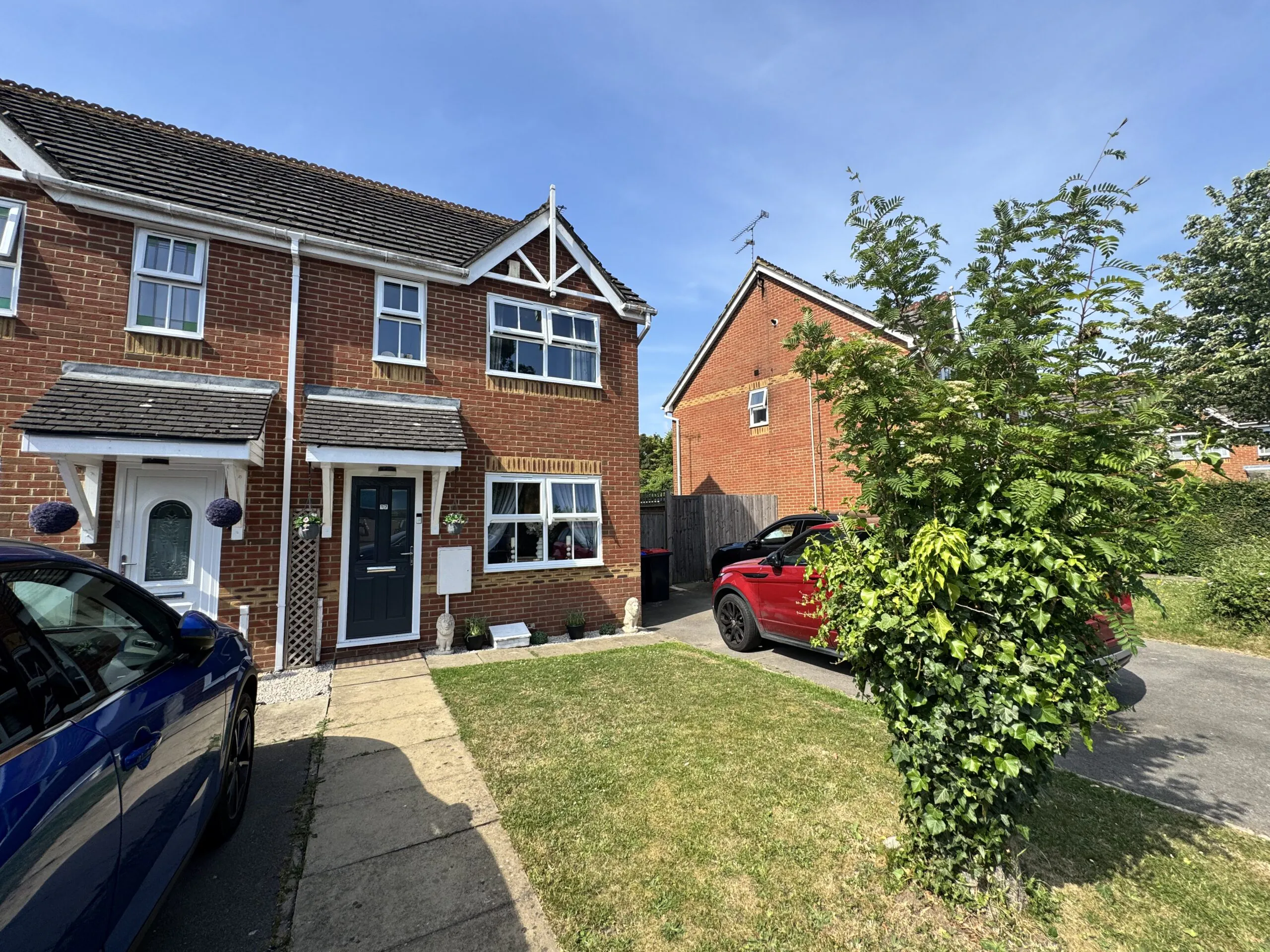
Monday Market Insights: Professional Property Trends in Witham
Market briefing for Monday 31 August 2026
The Witham property market is currently defined by moderate price growth, increased choice for buyers and stronger rental values. Sellers need realistic pricing, landlords need robust compliance processes, and investors need to assess income, finance and tax together rather than relying on headline yields.
The latest official and private-sector data indicates a measured market rather than a rapidly rising one. For homeowners, this means preparation and pricing remain important. For landlords, the regulatory position has changed materially since 1 May 2026, following the introduction of the first phase of the Renters’ Rights Act 2025 in England.
This briefing reviews the latest trends relevant to investors, landlords and homeowners working with estate agents in Witham Essex and the wider Essex market.
UK and regional market conditions
The UK House Price Index for June 2026, published on 19 August 2026, reports:
- UK average property price: £272,000
- UK annual price growth: 2.0%
- England average property price: £293,000
- England annual price growth: 1.8%
- East of England average property price: £339,000
- East of England annual price growth: 1.1%
- East of England monthly movement: -0.2%
The regional figures show that the East of England is experiencing relatively stable conditions, but momentum has slowed. The official index measures completed transactions and is subject to revision, particularly for recent months.
The Rightmove House Price Index for August 2026 provides a more immediate view of new seller expectations. Average newly listed asking prices fell by 2.0% during August to £364,999, representing a 1.0% annual decline. Rightmove describes this as the largest August fall since 2018.
The number of homes available for sale is also at a 12-year high for this time of year. This gives buyers more choice and increases the importance of accurate pricing, presentation and marketing.
For sellers in Witham, the practical conclusion is clear: pricing above the local market level is likely to increase marketing time and create pressure for later reductions.
Witham sales market: realistic pricing matters
Local data sources place the average Witham sale price broadly between £330,000 and £356,000, depending on whether the data measures completed sales, an average across property types or current asking prices.
Current indicators include:
- Average completed sale prices of approximately £330,000 to £350,000
- Average asking price of approximately £356,000
- Typical time to sell of around 11 weeks
- Average seller reduction of approximately 2% from the asking price
These figures should not be treated as a valuation for an individual property. Witham contains a varied housing stock, including flats, terraces, semi-detached homes, detached properties and newer developments. Location, condition, lease terms, parking, energy efficiency and proximity to transport links can materially affect value.

What sellers should do now
If you are considering selling, you should:
- Obtain a current local valuation based on comparable properties that have actually sold, not only properties currently advertised.
- Set an evidence-based asking price at launch rather than relying on a previous valuation or an earlier peak in the market.
- Review presentation before marketing, including decoration, maintenance, photography and external appearance.
- Prepare for negotiation, allowing for the current average reduction from asking price.
- Monitor viewings and feedback during the first two to three weeks. Limited interest may indicate that the price or presentation needs adjusting.
The current market favours sellers who engage with the evidence early. A property that launches at the right price can attract more serious buyers and reduce the risk of becoming stale stock.
Rental market: stronger rents but tighter margins
Witham’s rental market remains more resilient than the sales market. Local rental data indicates an average achieved rent of approximately £1,115 per calendar month, up around 6% annually.
Indicative averages are:
- Flats: approximately £923 pcm
- Houses: approximately £1,280 pcm
- Average achieved rent: approximately £1,115 pcm
- Indicative gross yield: approximately 3.8% to 3.9%, depending on the property value used
Using annual rent of £13,380, based on £1,115 pcm, the gross yield is approximately:
- 4.1% against a £326,570 property value
- 4.0% against a £330,687 property value
- 3.8% against a £356,431 property value
Gross yield does not include mortgage interest, tax, management fees, insurance, repairs, void periods, compliance costs, service charges or capital expenditure. Net returns will therefore be lower.
The difference between flats and houses is also important. A flat may have a lower purchase price but can carry service charges, lease obligations and restrictions on subletting. Houses may achieve higher rents but typically require more maintenance and may involve greater expenditure on gardens, roofs and external elements.
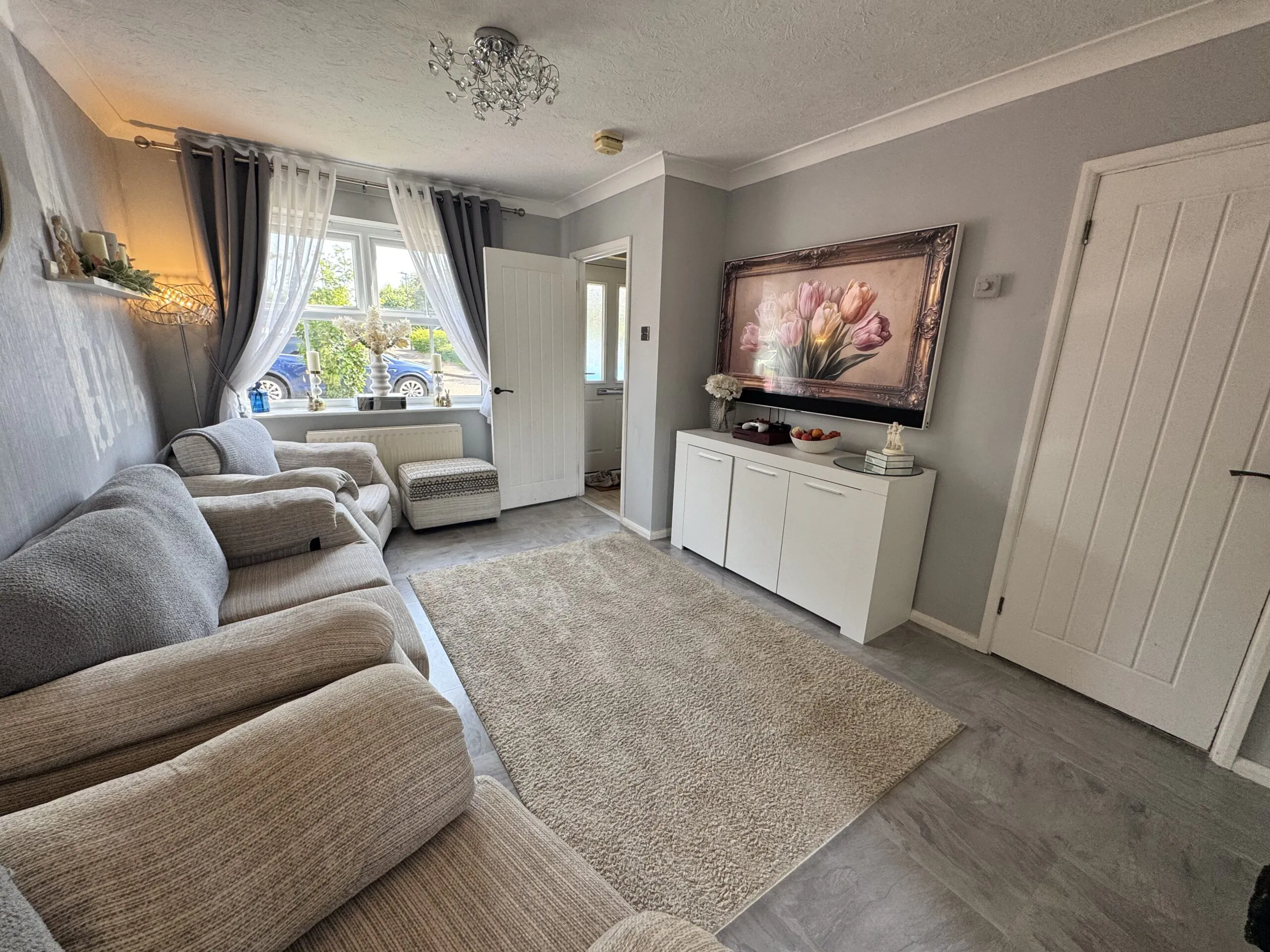
Current properties to let in Witham illustrate this range. For example, a one-bedroom apartment at Crittall Court is advertised at £1,000 pcm, while a two-bedroom semi-detached home at Upper Acres is advertised at £1,350 pcm. These are individual asking rents, not market averages, but they demonstrate how property type and accommodation affect achievable income.
Renters’ Rights Act 2025: position for landlords in England
The first phase of the Renters’ Rights Act 2025 came into force on 1 May 2026 in England.
You have a legal responsibility to operate your tenancy arrangements in accordance with the new regime. The key changes include:
- Section 21 notices are abolished for new possession cases.
- Assured shorthold tenancies and fixed-term assured tenancies move to assured periodic tenancies.
- Landlords must rely on valid Section 8 possession grounds where possession is required.
- Rent increases are limited to once per year using the revised Section 13 procedure.
- Tenants must receive at least two months’ notice of a proposed rent increase.
- Rental bidding above the advertised rent is prohibited.
- Requests to pay more than one month’s rent in advance cannot be required.
- Landlords must consider tenant requests to keep a pet and provide a valid reason for refusal.
- Discrimination against renters because they have children or receive benefits is prohibited.
Existing written tenancies generally do not need to be replaced, but landlords must provide the required information sheet or written terms within the applicable deadlines. You should retain evidence that the information has been issued.
The next stage is expected from late 2026, when the Government plans to introduce the PRS Database. Landlords will be required to register themselves and their properties and provide key information, including safety and energy documentation. A mandatory PRS Landlord Ombudsman is also planned, with wider landlord membership expected after the scheme has been established.
You should now audit:
- Tenancy agreements and written terms
- Gas safety records
- Electrical installation condition reports
- Energy Performance Certificates
- Deposit protection records
- Smoke and carbon monoxide alarm compliance
- Property condition and repair records
- Rent increase procedures
- Possession notices and supporting evidence
A professional management process is increasingly important because compliance is no longer limited to the start of a tenancy. Documentation, inspections, communication and maintenance records must be maintained throughout the tenancy.
Finance and tax considerations for investors
The OBR’s March 2026 Economic and Fiscal Outlook forecasts house price inflation of just over 2.5% annually through to 2030–31. It also forecasts the average effective mortgage rate rising from approximately 4.1% to 4.5% over the forecast period.
This suggests that investors should use conservative assumptions. A purchase should remain viable if:
- Mortgage rates remain above the initial product rate
- The property experiences a void period
- Repairs are required
- Rent growth slows
- Management and compliance costs increase
Tax changes scheduled from April 2027 will increase the rates applying to savings and property income:
- Basic rate: 20% to 22%
- Higher rate: 40% to 42%
- Additional rate: 45% to 47%
These changes apply to property and savings income rather than ordinary employment income. The effect will depend on your ownership structure, financing arrangements, other income, allowable expenses and available reliefs. You should obtain tax advice before making investment or refinancing decisions.
Action points for the week ahead
For landlords
- Review your tenancy documentation against the Renters’ Rights Act 2025.
- Confirm that all safety certificates are current and properly recorded.
- Recalculate net yield using realistic finance, maintenance and management costs.
- Review your expected tax position from April 2027.
- Consider whether full management, rent collection or compliance support is appropriate for your portfolio.
WitLet’s lettings and property management service can include tenant sourcing, referencing, Right to Rent checks, tenancy documentation, rent collection, maintenance coordination, inspections and compliance oversight.
For sellers
- Arrange a current valuation based on local comparable evidence.
- Set a competitive asking price from the start.
- Review presentation and photography before listing.
- Plan for an average marketing period of approximately 11 weeks.
- Consider your onward purchase position before accepting or rejecting an offer.
For buyers and investors
- Compare completed sale prices with current asking prices.
- Stress-test mortgage payments at rates around or above 4.5%.
- Assess gross and net yield separately.
- Review lease terms and service charges for flats.
- Allow for the continuing cost of regulatory compliance.
Conclusion
Witham’s market is active but price-sensitive. Official data shows modest annual growth in the East of England, while current asking prices and elevated stock levels indicate stronger negotiating power for buyers. Local properties are taking approximately 11 weeks to sell, and sellers are accepting reductions of around 2% from asking prices.
Rental demand and achieved rents remain comparatively strong, but higher finance costs, tax changes and the Renters’ Rights Act 2025 require landlords to take a more structured approach. Accurate pricing, reliable records and professional management are now central to protecting both capital value and rental income.
For current local advice, contact WitLet, a Witham-based agency providing sales, lettings and property management services across Essex, East Anglia and the South East.
Disclaimer: This article provides general market information as at 31 August 2026. It is not legal, tax, mortgage or financial advice. Legislation, guidance, market data and tax rates may change. You should obtain independent advice from a suitably qualified solicitor, tax adviser or financial adviser before making decisions about property ownership, letting, sale or investment.

Witlet
August 31, 2026


 Tags
Tags
18 Sep 2026

Friday Feel-Good: Community & Lifestyle in Witham
Witham has a full programme of local activities this weekend, from free family entertainment in the…
Read post

14 Sep 2026
Monday Market Insights: Professional Property Trends in Witham
Market briefing for Monday 14 September 2026 The Witham property market is entering the autumn trading…
Read post

11 Sep 2026
Friday Feel-Good: Community & Lifestyle in Witham
Witham has plenty going on this weekend and throughout early autumn. From community fundraising and library…
Read post

04 Sep 2026
Friday Feel-Good: Community & Lifestyle in Witham
September is getting started, the evenings are gradually drawing in and the first signs of autumn…
Read post

04 Sep 2026
Can Witham Landlords Refuse a Tenant’s Pet in 2026? What the Renters’ Rights Act Actually Says
Category: Property Yes, you can refuse a tenant’s request to keep a pet in some circumstances.…
Read post


Mailchimp Signup
Copyright © 2026 Witlet Ltd All Rights Reserved


